Training Track Guide
Fitness Track vs Fighter Track at a Kickboxing Camp
Compare fitness and fighter goals as inquiry categories, then confirm whether the current camp actually offers a suitable track or group.
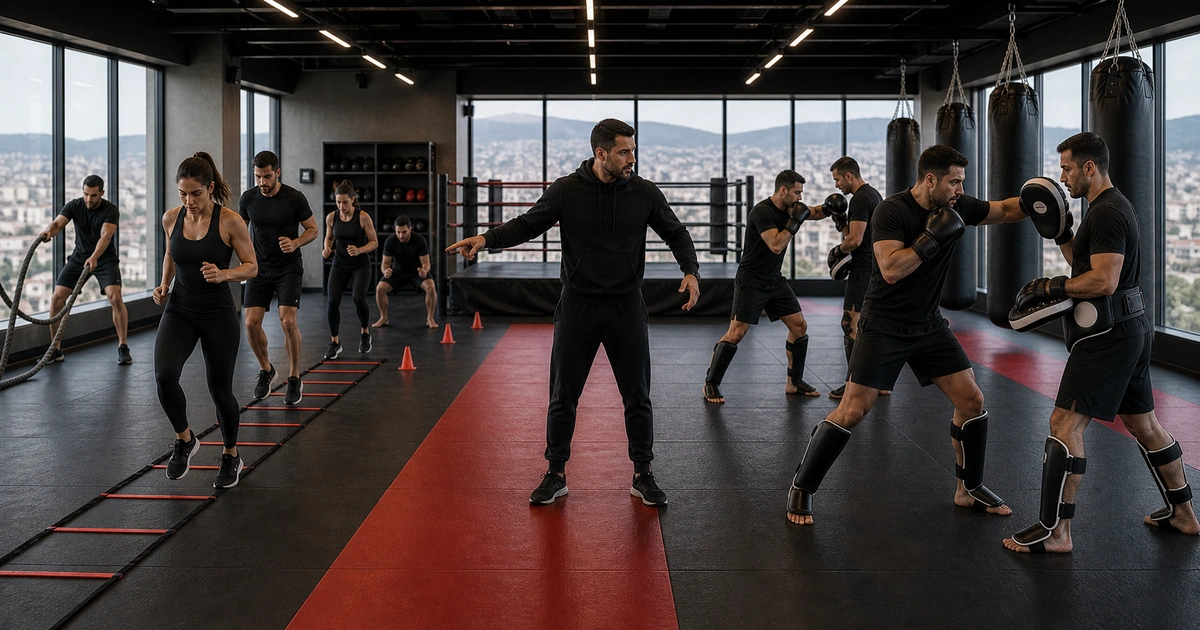
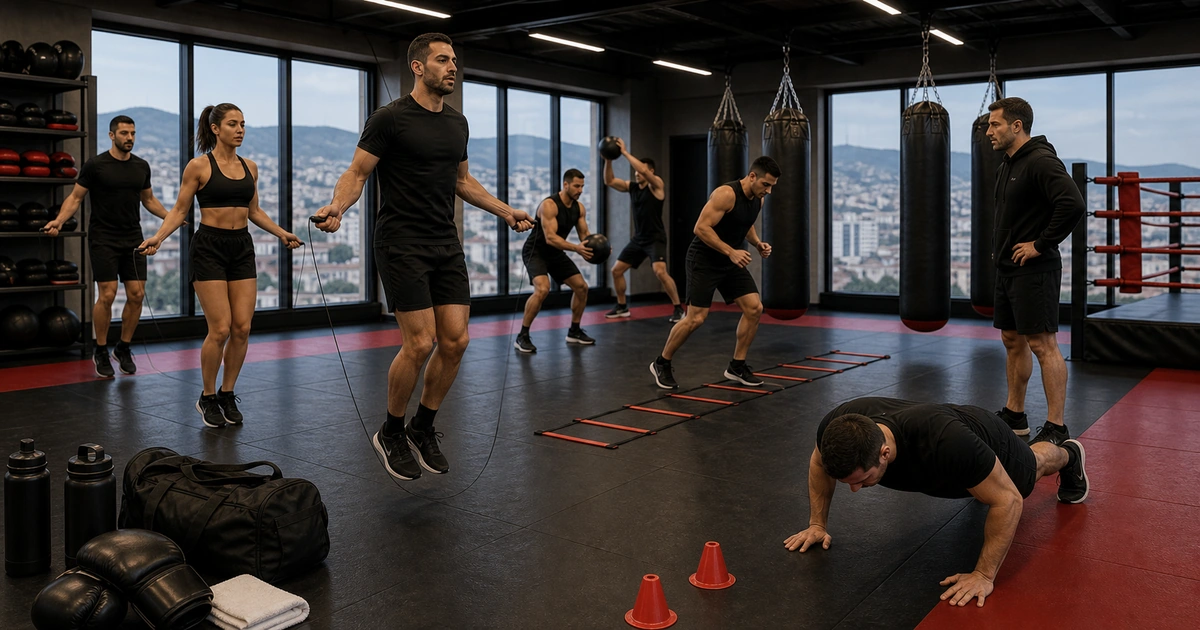
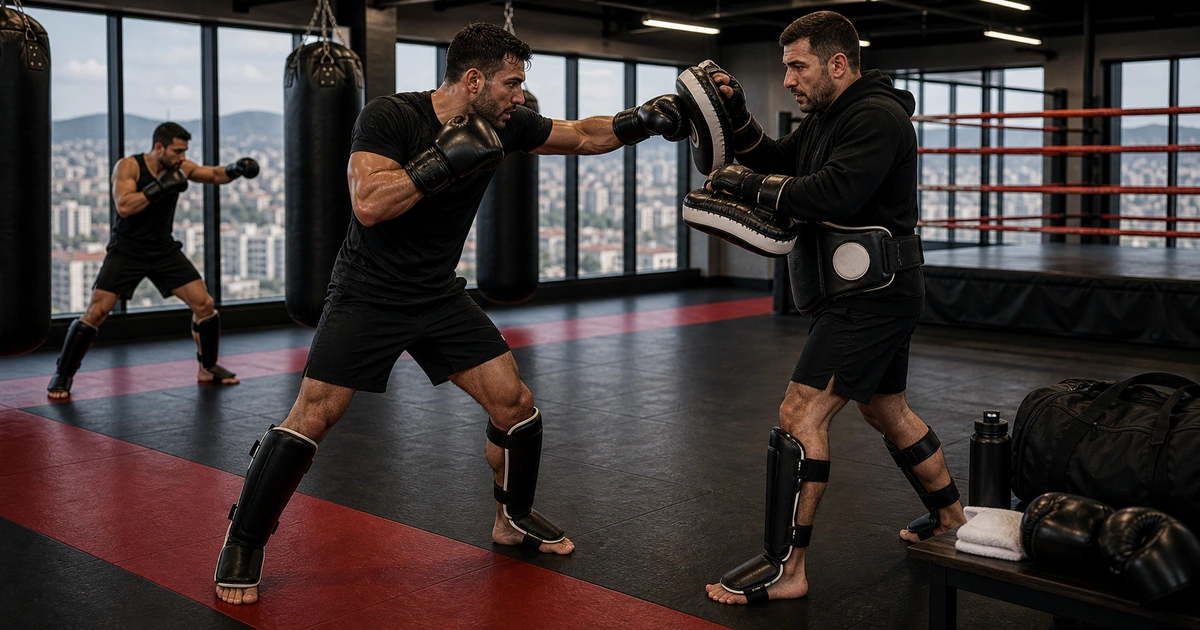
Planning notice: dates and prices are published planning data, not live inventory or a confirmed offer. Cinematic guide images are illustrative; archive media documents past activity only. Confirm the current schedule, coach lineup, level fit, facility access, package scope, and availability in writing before travel.
Published by Gymnasia on 2026-07-03. Last updated 2026-07-03.
Quick answer
Fitness and fighter are useful ways to describe your goal, but the site does not establish two separate tracks.
State your current training, fight date if any, injuries, preferred disciplines, desired intensity, and sparring preferences.
Ask whether the current group, coaches, schedule, partners, and content can support that goal before booking.
Fitness focus
Inquiry goal, not a guaranteed track
Fighter focus
Current support must be confirmed
Training mix
Request the written curriculum
Best next step
Explain your goal in the form
Quick fit checklist
Use fitness emphasis to describe conditioning, weight-management support, or fundamentals as goals—not as a promised track.
Use fighter emphasis to describe ruleset, fight date, sparring, tactics, or discipline-specific needs—not as proof the camp can deliver them.
If your goals are mixed, explain them and ask what the current schedule and group can realistically support.
Tell us your training goal
Use the application notes to explain whether you want fitness, technique, fighter prep, or a mix.
Request the right trackWhat fitness-focused athletes should expect
Possible fitness-oriented content may include pad work, bag rounds, movement, combinations, strength, and conditioning.
You do not need to pretend you want to fight. A clear fitness goal is useful if you are ready to train consistently and recover properly.
Ask what is actually scheduled and how technical coaching, intensity, and recovery are handled.
What fighter-track athletes should expect
An athlete seeking fighter preparation should provide current gym routine, sparring history, ruleset, fight date if any, and specific weaknesses.
Ask whether the date-specific coaches, partners, schedule, and facility can support targeted drilling, tactics, conditioning, or sparring.
Do not treat a short camp inquiry as a replacement for a home fight team or as guaranteed competition preparation.
How coaches adapt drills by level
Different goals can share a room only if the current coaching plan and capacity support safe differentiation.
Beginner fundamentals, fitness volume, and competitor decision-making are examples of different needs, not verified camp delivery.
Ask how the current coaches group athletes and what individualized feedback is actually available.
Sparring, intensity, and recovery
Fitness-track athletes should not feel forced into sparring to prove they belong.
Fighter-track athletes should not turn every round into a test if the purpose is technical improvement.
Across both tracks, recovery matters. Training quality drops fast when sleep, food, hydration, and soreness are ignored.
What to write in your application notes
Write your current training schedule, experience level, preferred disciplines, injuries, and whether you want fitness, technique, or competition emphasis.
Mention recent sparring only if it is relevant. Also mention if you do not want sparring.
If your goal is unrealistic for a short camp, the team can still help you choose a cleaner focus for the week.
Related Guides
Ready to train kickboxing in Georgia?
Tell us your preferred dates, level, discipline, and package. The site does not show live availability; obtain the schedule, lineup, inclusions, total price, and terms in writing before booking travel or paying.
Camp FAQ
Can I join for fitness without wanting to fight?
You can inquire with a fitness and technique goal. Ask whether the current group and schedule can support it.
Is this suitable for active fighters?
Suitability is not established by the page. Share your ruleset, workload, fight timeline, injuries, and needs for date-specific confirmation.
Will the fighter track include sparring?
No formal fighter track or sparring schedule is verified. Ask about partners, matching, consent, protective gear, supervision, and the current plan.