
Daily Camp Schedule
Daily Schedule at a Kickboxing Camp: Training, Recovery and Meals
Use an illustrative kickboxing camp day to ask for the actual sessions, coaches, breakfast service, recovery blocks, and rest plan for your dates. Lunch and dinner are self-arranged.
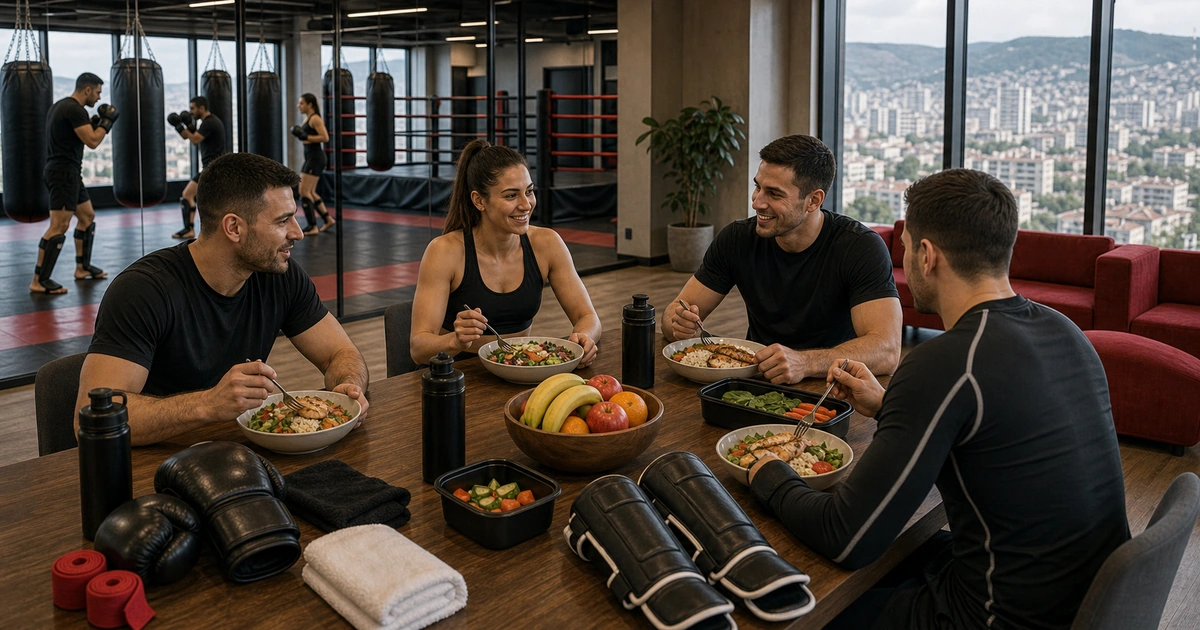
Planning notice: dates and prices are published planning data, not live inventory or a confirmed offer. Cinematic guide images are illustrative; archive media documents past activity only. Confirm the current schedule, coach lineup, level fit, facility access, package scope, and availability in writing before travel.
Published by Gymnasia on 2026-07-03. Last updated 2026-07-03.
Quick answer
No current daily schedule or 1-2-session commitment is evidenced on the site.
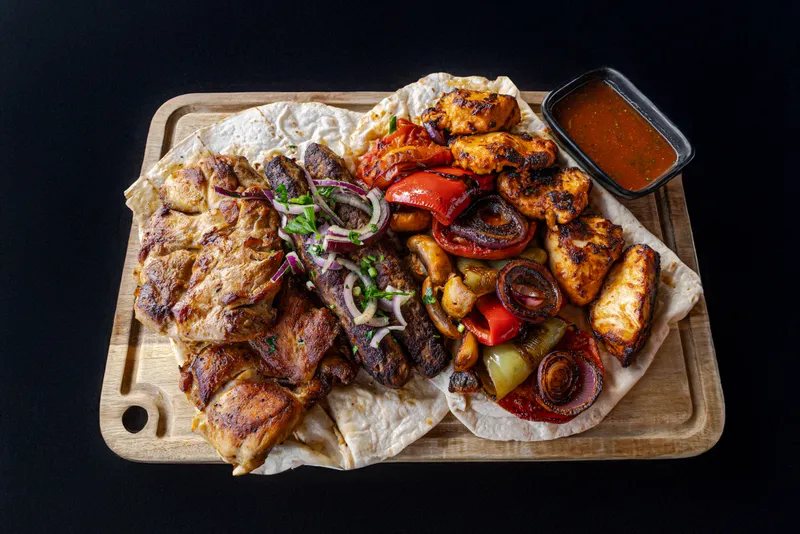
Breakfast is the only meal included with Bed & Breakfast + Hotel. Any lunch and dinner blocks shown are self-arranged planning examples, not camp services.
Request the actual times, disciplines, coaches, group, intensity, breakfast service, rest, and facility access in writing. The camp does not offer excursions or mountain trips.
Daily training
Session count not verified
Bed & Breakfast + Hotel
Published list; confirm scope
Recovery
Confirm access and timing
Schedule status
Written schedule required
Quick sample day
An illustrative day can show the included breakfast, a technical session, recovery time, self-arranged lunch, another training or conditioning block, self-arranged dinner, and rest.
This sequence is not a published or confirmed timetable. Breakfast is the only included meal; lunch and dinner are excluded from the package.
The safest expectation is no fixed session count until the team supplies the date-specific written schedule.
Check the module before you plan travel
Use the dates page to confirm the camp window, then ask about the current schedule expectations.
View camp datesMorning, afternoon, and evening rhythm
Morning technical work, an afternoon recovery or training block, and an evening rest routine are possible ways to organize a day.
They are not claims about the current module. Ask for start and end times, breakfast service, rest periods, and optional training blocks; arrange lunch and dinner yourself.
Plan personal recovery only after you understand the actual training and travel schedule.
Technical work, conditioning, and sparring
Technical work can include stance, footwork, bag rounds, pad work, boxing, kickboxing combinations, Muay Thai elements, and defense.
Conditioning can support the sport, but it should not erase the technical purpose of the camp.
Sparring, if included, should fit the athlete, group, and coach plan. Beginners and active fighters should not be treated the same.

Recovery blocks and meals
Recovery is not empty time. It is when you eat, hydrate, rest, cool down, handle soreness, and prepare for the next session.
Bed & Breakfast + Hotel includes breakfast as the only meal. It does not verify the breakfast menu, quantity, timing, venue, or current recovery and fitness access.
Confirm breakfast service and every recovery inclusion in the written offer. Arrange lunch and dinner independently.
How schedules differ by athlete
A beginner schedule should protect learning and confidence. It may use more basics, more explanation, and conservative sparring expectations.
A fighter schedule may include more specific drilling, harder constraints, tactical work, or competition-prep conversations.
The same camp can serve both only when goals are clear and coaches can adjust intensity.
Rest days and lighter days
A lighter day can be more useful than forcing intensity when the group is sore or technically overloaded.
Depending on the module, lighter blocks may include recovery, mobility, easy conditioning, city time, or technical review.
Ask about the current plan when you apply, and do not book a trip assuming every day will follow one fixed timetable.
Related Guides
Ready to train kickboxing in Georgia?
Tell us your preferred dates, level, discipline, and package. The site does not show live availability; obtain the schedule, lineup, inclusions, total price, and terms in writing before booking travel or paying.
Camp FAQ
How many sessions are there each day?
The site does not evidence a current session count. Request the date-specific written schedule before travel.
Are meals included every day?
Breakfast is the only meal included with Bed & Breakfast + Hotel. Lunch and dinner are excluded; confirm breakfast service and dietary support in writing.
Is every day the same schedule?
No current timetable is published. Obtain the schedule for your dates and expect changes only under the written terms you receive.