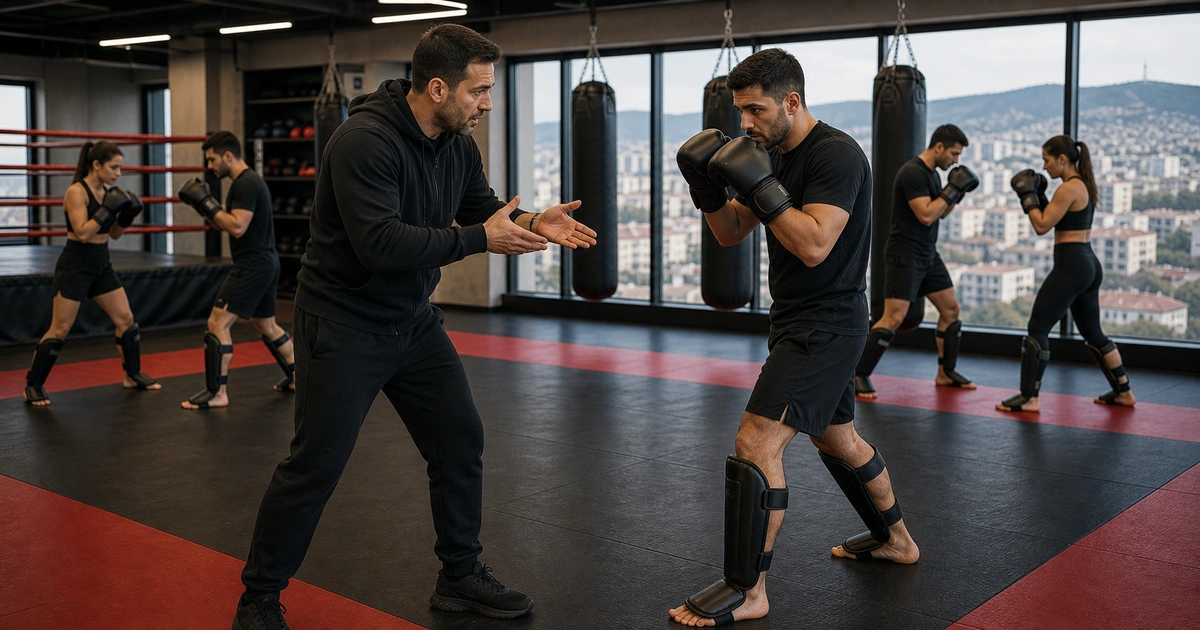
Beginner Camp Guide
Beginner Kickboxing Camp: What to Expect in Your First Training Week
New to kickboxing? Learn which level-fit, session, gear, pacing, sparring, and coaching details to confirm before a first camp inquiry.
Planning notice: dates and prices are published planning data, not live inventory or a confirmed offer. Cinematic guide images are illustrative; archive media documents past activity only. Confirm the current schedule, coach lineup, level fit, facility access, package scope, and availability in writing before travel.
Published by Gymnasia on 2026-07-03. Last updated 2026-07-03.
Quick answer
Beginners may inquire, but the site does not prove a separate beginner group, individualized coaching, or a fixed training volume.
Ask how the current group is divided, how partner work and sparring consent are handled, and which coach is responsible.
Confirm required personal protective gear, the written schedule, intensity, and recovery expectations before travel.
Skill level
Beginners can apply
Training volume
Confirm session count in writing
Level fit
Current group must be confirmed
Safety note
Sparring should match level
Can beginners join?
Beginners can send an inquiry and describe their starting point, but acceptance and group fit require confirmation.
The page does not establish a dedicated beginner track, a specific pace, or how much correction an athlete will receive.
If you have an injury, medical concern, or very low current fitness, ask before applying. This guide is training information, not medical advice.
Apply with your real level
Tell the team your experience, fitness, injuries, and what you want from your first camp.
Apply as a beginnerWhat beginner means on the application
Beginner can mean different things: first month of training, some boxing classes, no sparring experience, or returning after a long break.
Use the application notes to explain what you have actually done, how often you train, and what feels uncomfortable.
That context helps coaches place you better than a vague label like beginner, intermediate, or advanced.
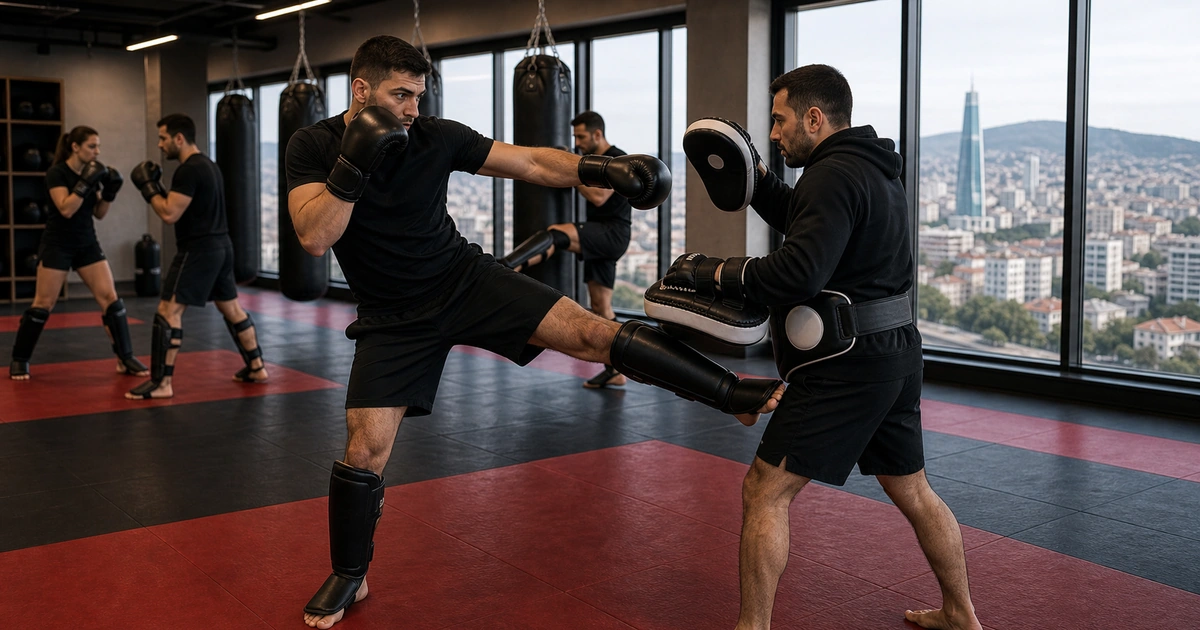
First-day assessment and placement
Ask whether a first-day assessment is actually part of the requested module and who performs it.
Possible beginner content may include punches, kicks, defense, footwork, balance, pad work, bag rounds, and simple combinations.
Obtain the actual placement process and curriculum rather than assuming this general example is the camp plan.
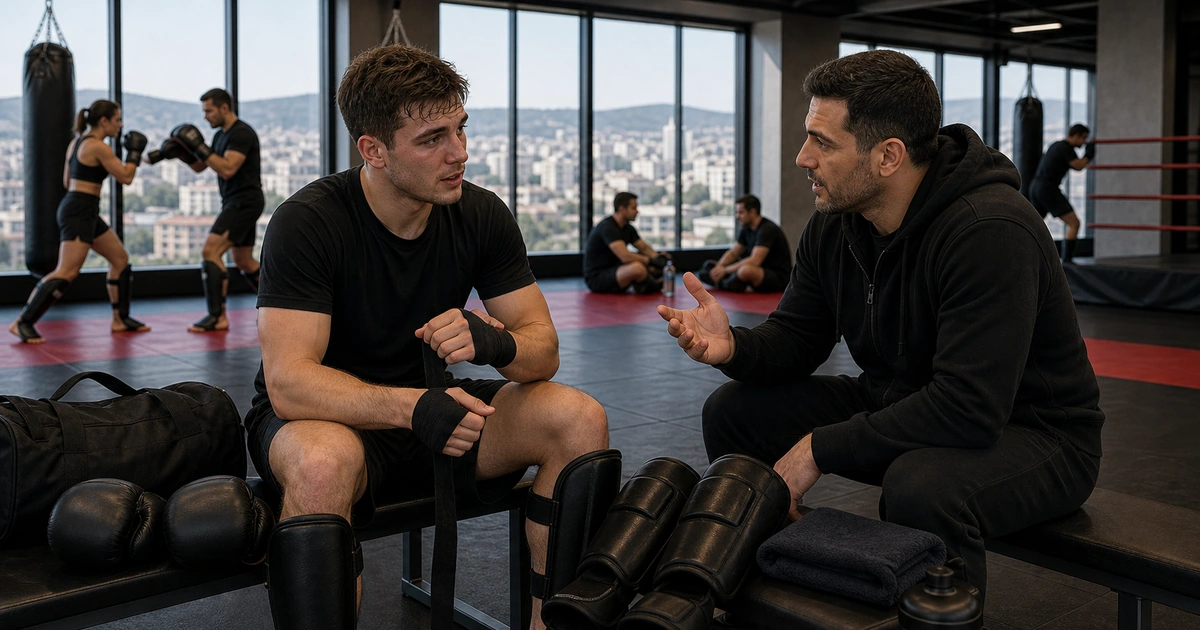
Sparring expectations and safety boundaries
Beginners should not treat sparring as a mandatory camp achievement.
Controlled partner work, defense drills, and light technical rounds can be more useful than hard sparring when fundamentals are still forming.
If sparring is discussed, it should match your level, the group, the coach plan, and your consent.
Gear, soreness, and recovery
Bring personal protective gear such as mouthguard, groin protector, shin guards, wraps, and gloves you trust.
Unfamiliar training may cause soreness; discuss health concerns with an appropriate professional and disclose relevant limitations to the team.
Bed & Breakfast + Hotel includes breakfast as the only meal; lunch and dinner are excluded. Confirm the property, room, breakfast service, and package in writing.
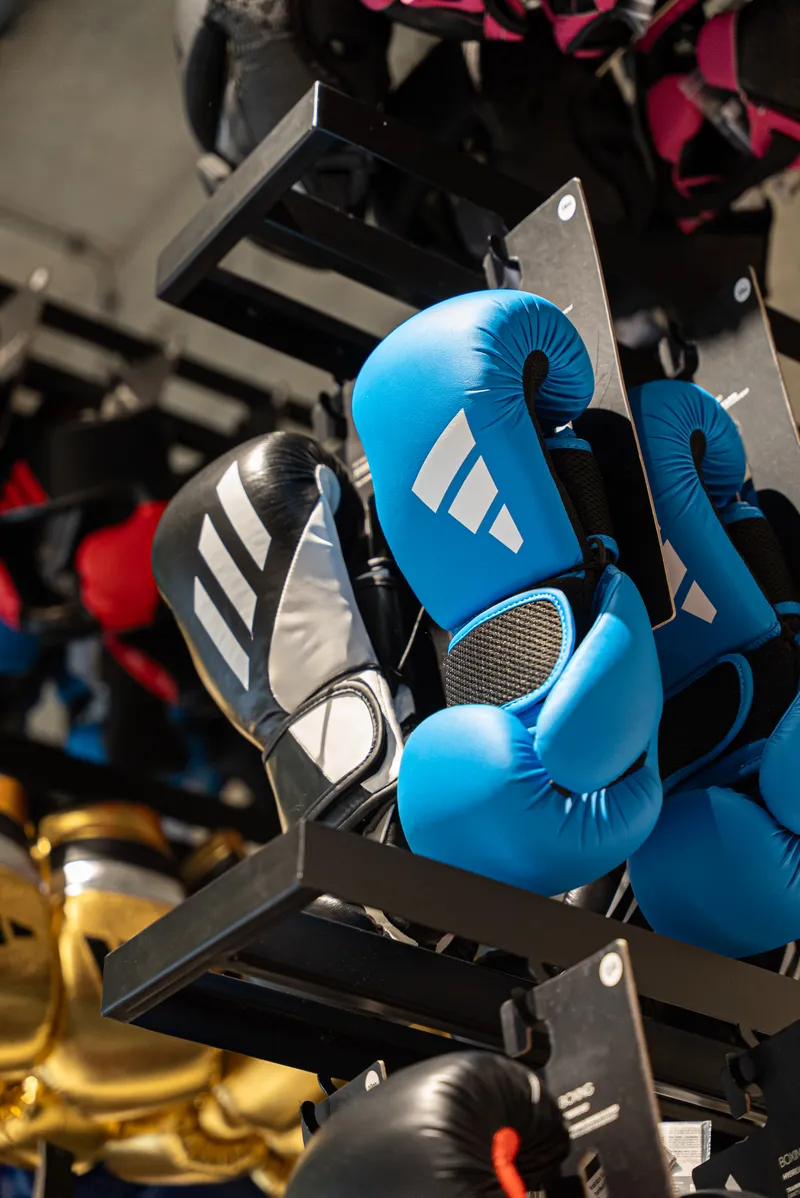
When a beginner should wait
Wait before applying if you cannot train safely, have unresolved pain, or need medical clearance before hard exercise.
You may also want a few weeks of local classes first if you are unsure whether you enjoy striking training at all.
If you are ready, choose a clear goal: learn basics, improve fitness, get comfortable with pads, or understand whether kickboxing is a sport you want to continue.
Related Guides
Ready to train kickboxing in Georgia?
Tell us your preferred dates, level, discipline, and package. The site does not show live availability; obtain the schedule, lineup, inclusions, total price, and terms in writing before booking travel or paying.
Camp FAQ
Can I join kickboxing camp with no sparring experience?
You can inquire and state that clearly. The team must confirm whether the current group and partner-work plan are suitable.
Will beginners have to spar?
Do not assume sparring is included or mandatory. Ask how the current plan handles level matching, consent, protective gear, and supervision.
What should a beginner bring?
Confirm the current gear requirements. A conservative checklist includes training clothes, wraps, gloves, mouthguard, groin protector where relevant, shin guards, insurance, and personal essentials.