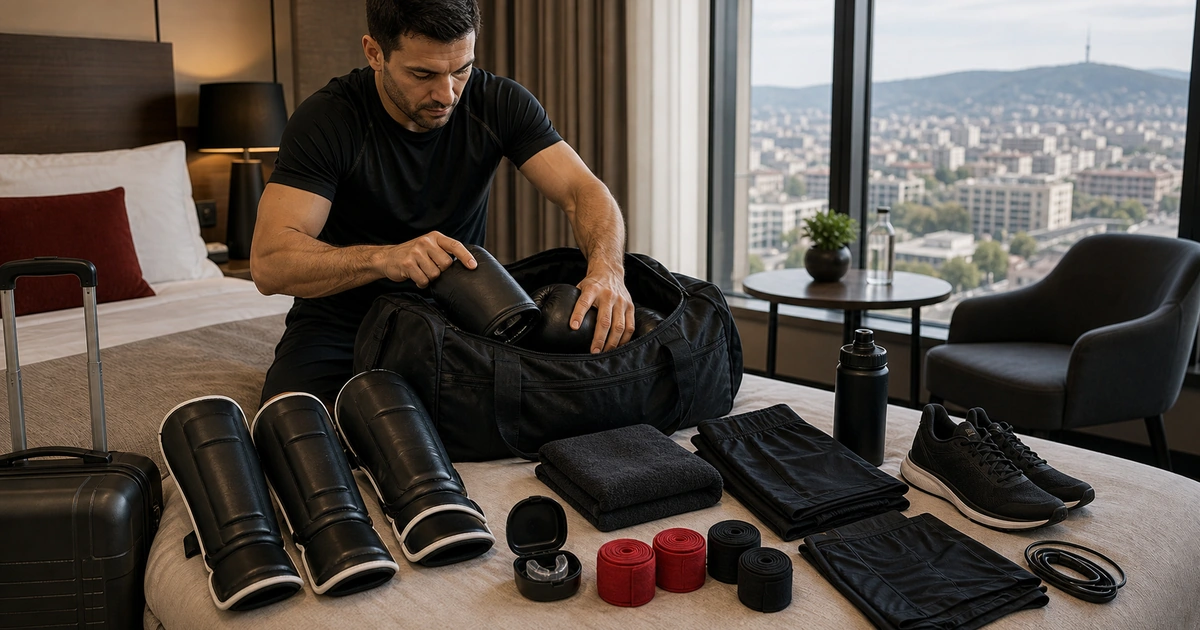
Kickboxing Camp Packing Guide
What to Bring to a Kickboxing Camp: Gear, Clothing and Travel Checklist
Pack for a kickboxing camp with this checklist for gloves, shin guards, mouthguard, clothes, recovery items, travel documents, and Tbilisi basics.
Planning notice: dates and prices are published planning data, not live inventory or a confirmed offer. Cinematic guide images are illustrative; archive media documents past activity only. Confirm the current schedule, coach lineup, level fit, facility access, package scope, and availability in writing before travel.
Published by Gymnasia on 2026-07-03. Last updated 2026-07-03.
Quick answer
Bring personal protective gear such as mouthguard, groin protector, shin guards, wraps, and preferred gloves.
Ask for the written schedule before deciding how many training outfits you need; the site does not verify 1-2 daily sessions.
Confirm what the venue currently provides, rents, or sells, and verify entry rules through Georgia’s official consular portal.
Must bring
Mouthguard and shin guards
Training volume
Pack against the confirmed schedule
Travel basics
Passport and insurance
Best rule
Do not overpack bulky extras
Quick packing list
Pack gloves, wraps, shin guards, mouthguard, groin protector, training clothes, running or gym shoes, sandals, hygiene items, recovery basics, documents, and insurance.
If you already have gear that fits well, bring it. A camp week is not the best time to discover that borrowed equipment rubs, slips, or does not protect you properly.
Keep the list practical. You need reliable daily basics more than a suitcase full of rarely used extras.
Unsure about gear?
Ask before applying if you need help deciding what to bring and what can be provided.
Ask gear questionsMust-have protective gear
Bring a mouthguard that already fits, a groin protector if relevant, shin guards, hand wraps, and gloves you are comfortable using.
If you plan to do more partner work, do not treat protective gear as optional.
Beginners should be especially careful here because poor gear can make the first week more frustrating than it needs to be.
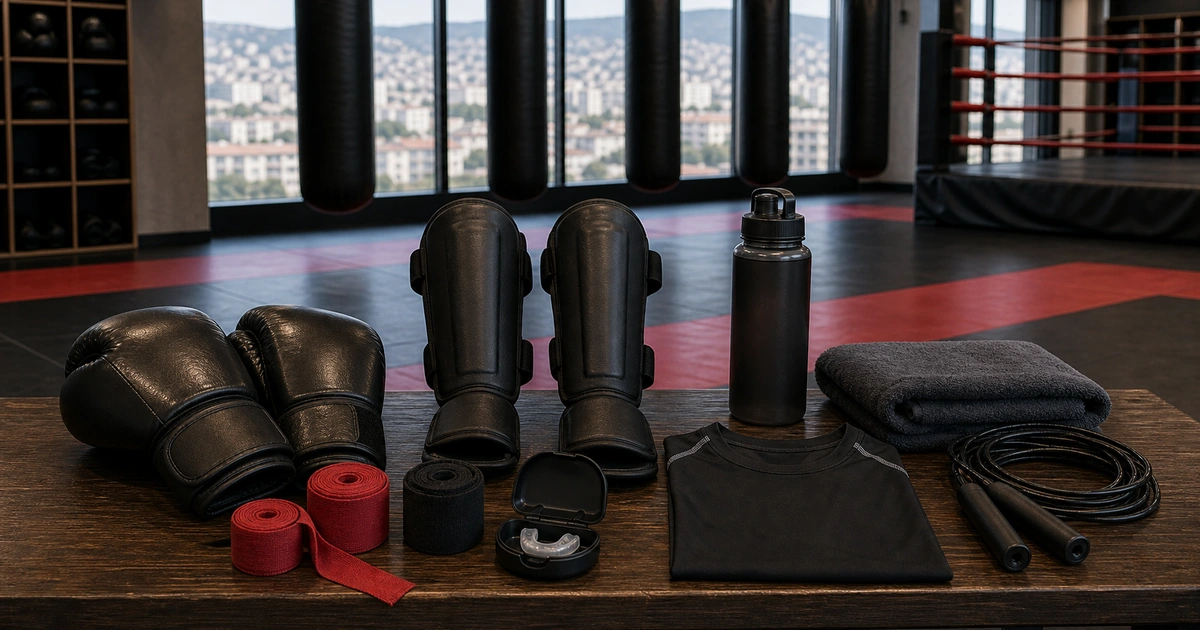
Nice-to-have training gear
Nice-to-have items include ankle supports, extra wraps, a skipping rope, small towel, reusable bottle, light resistance bands, and any preferred tape or blister care.
Bring these only if you already use them. A camp is not the time to add complicated new routines or bulky tools.
If luggage space is tight, prioritize protective gear, clothing, documents, and recovery basics first.
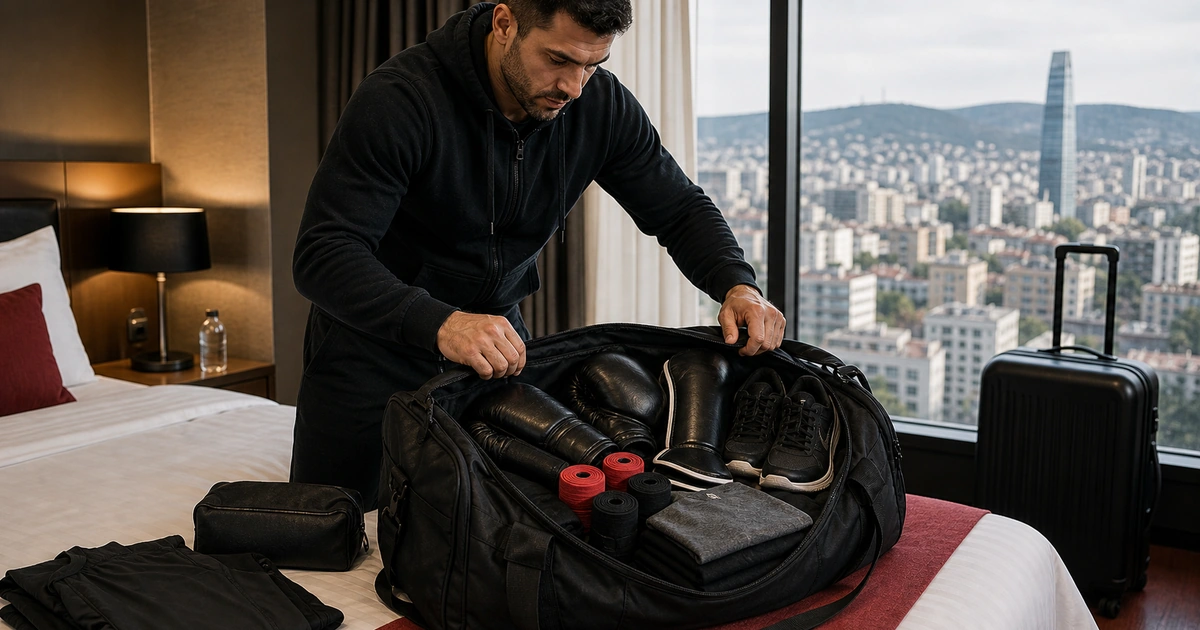
Clothing for daily sessions
Ask for the session count and laundry arrangements before deciding how many training outfits to pack.
Bring breathable shirts, shorts or leggings, spare socks, underwear, and something warm enough for evenings or lighter recovery time.
Laundry access can vary by package and hotel, so pack enough repeatable pieces to avoid training in damp clothing.
Recovery, hygiene, documents, and insurance
Pack basic toiletries, any personal medication, simple first-aid items, electrolyte support if you use it, and recovery tools that travel easily.
Bring passport, payment cards, travel insurance details, emergency contacts, and copies of important documents.
Entry requirements depend on nationality and circumstances. Check the Georgian Ministry of Foreign Affairs consular portal and the relevant Georgian mission before travel.
What not to overpack
Do not overpack multiple bulky gloves, heavy supplements, complicated recovery devices, or clothing you will not use between training and meals.
A confirmed Bed & Breakfast + Hotel offer may reduce some logistics, but it does not make extra luggage easier to manage.
When in doubt, ask the team what the facility can provide and bring the personal items that affect safety, fit, and comfort.
Primary Sources
Public-record claims in this guide are checked against the official sources below. These sources do not establish a future camp schedule, lineup, package, or availability.
Related Guides
Ready to train kickboxing in Georgia?
Tell us your preferred dates, level, discipline, and package. The site does not show live availability; obtain the schedule, lineup, inclusions, total price, and terms in writing before booking travel or paying.
Camp FAQ
Do I need my own gloves for kickboxing camp?
Bring your own if you have gloves that fit well. Ask before travel if you need to rely on provided or borrowed gear.
Should I bring a mouthguard?
Yes. Bring a mouthguard that already fits, especially if you may do partner drills or sparring.
What travel documents should I bring?
Bring the documents required for your circumstances. Check current entry rules through the official Georgian consular portal and relevant Georgian mission.